
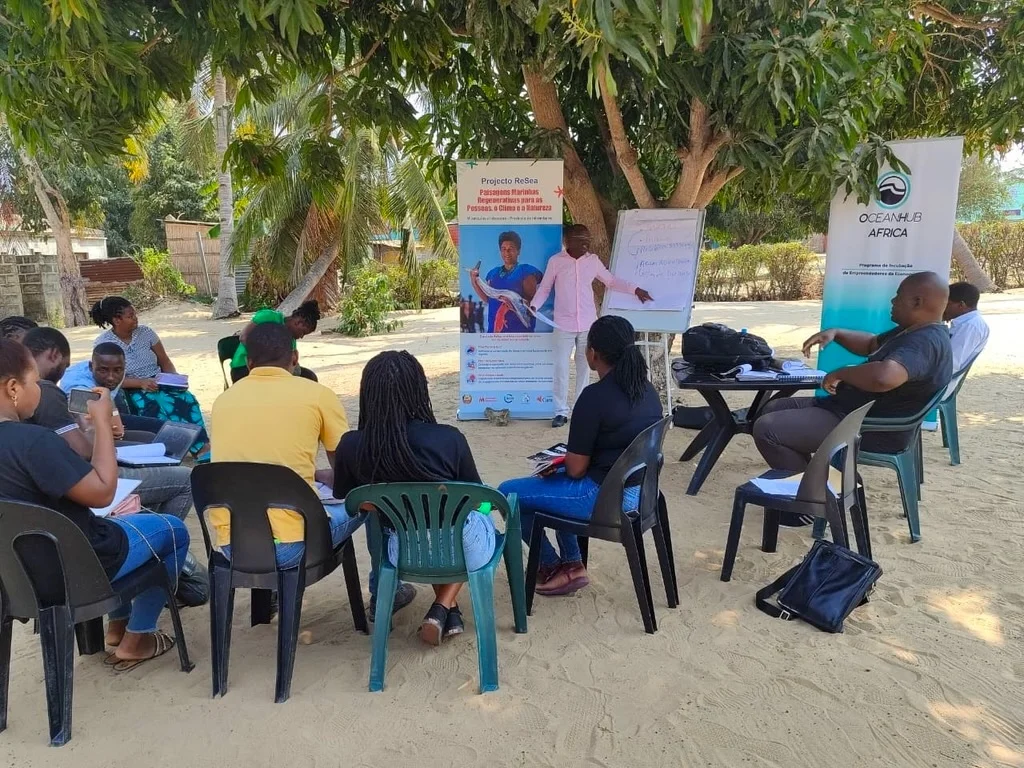
Inhambane Seascape: Coastal Heritage, Marine Life, and Community Resilience
Inhambane is one of Mozambique’s oldest coastal settlements—known for its relaxed seaside pace, and some of the most celebrated beaches in the region. Just offshore, the warm waters and rich marine ecosystems draw visitors for diving and snorkeling, with sightings that can include iconic species such as whale sharks and manta rays.
Beyond tourism, the ocean is central to everyday life in the Inhambane Seascape. Coastal communities depend on fishing and ocean-based livelihoods for income and food security—making the health of marine ecosystems directly tied to household wellbeing.

Specific Challenges
The Inhambane Seascape faces a mix of environmental and socio-economic pressures. Overfishing and unsustainable practices in Inhambane Bay are contributing to declining fish stocks, directly impacting local food sources and livelihoods. Climate impacts are compounding the challenge by affecting the availability of important resources such as bivalves and crustaceans.
Mozambique is also highly exposed to climate-related shocks, including cyclones, floods, and droughts. When disasters strike, infrastructure damage can disrupt economic activity, while limited resources make it harder for vulnerable communities to recover.
Gender inequality remains a barrier across ocean livelihoods. Women may have limited representation in decision-making roles and reduced access to technical training, while women-led initiatives can face additional hurdles in securing market access and financing—making it harder to grow resilient, ocean-positive enterprises.

OceanHub Africa Activities in the Region (Blue Economy Incubation)
OceanHub Africa’s intervention in the region focuses on supporting community-based enterprises that link environmental sustainability with livelihood development, particularly through waste management and fisheries-related initiatives.
This includes strengthening public awareness around waste management and recycling, supporting livelihoods through integrated fish sales and coordinated waste collection, progressing infrastructure such as a dedicated store and processing facility with a longer-term vision for cold storage, and building stronger internal organization, teamwork, and local marketing capacity.